84 Kropotkina Street, Minsk
+375 (29) 997-99-99
Daily, 9:00–21:00, without breaks


Basal dental implants without bone grafting
- Fast results in 5 days: no bone grafting, even with bone atrophy
- Immediate loading: no period without teeth or additional surgery
- Chewing function restored immediately, on the day of the procedure
- 30% less expensive than conventional methods
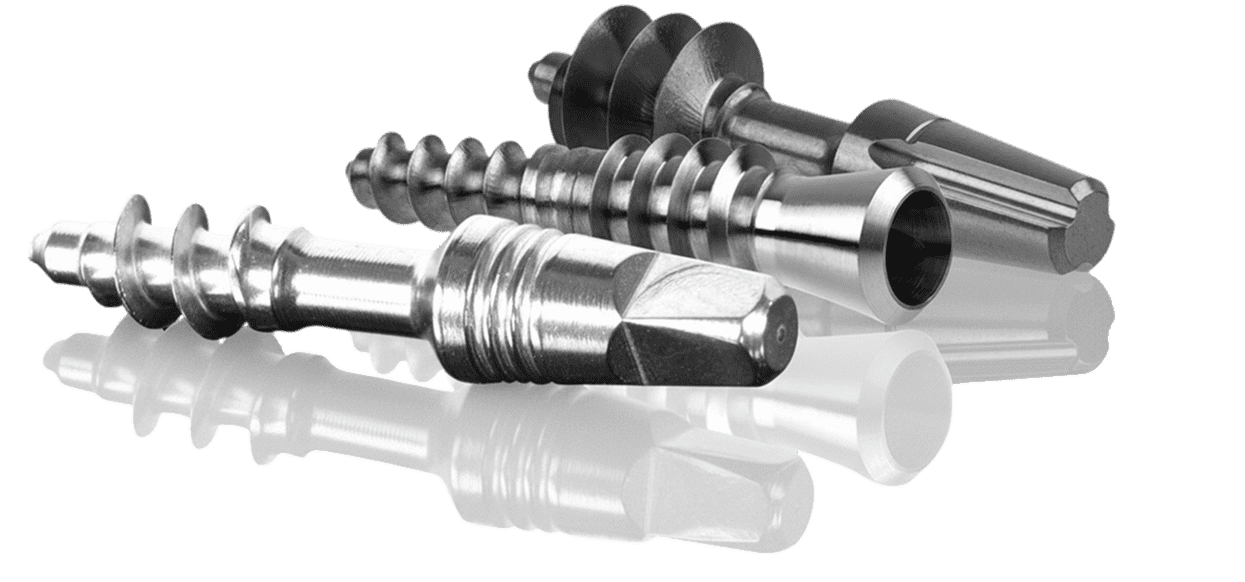
About the method
Strategic System Reset® basal implant treatment —
a modern method of placing dental implants into dense cortical bone, which can withstand immediate loading, allowing dentures to be fitted straight away without a long wait or additional surgery
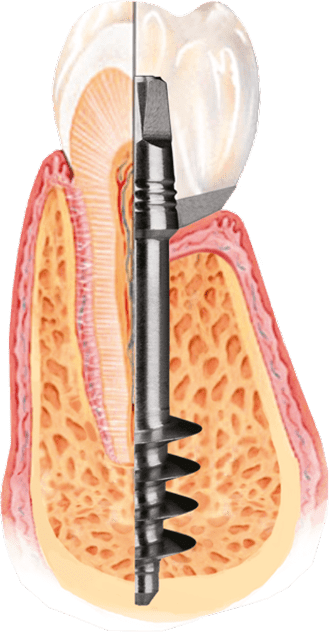
The cancellous bone used for conventional two-stage implants is quite porous and most susceptible to atrophy, particularly after tooth extraction
Basal bone lies deeper and hardly atrophies, providing excellent primary implant stability and allowing dentures to be fitted in just 5 days
Cortical bone — the outermost layer of jawbone, which is highly strong and dense but extremely thin
Benefits
Why patients choose our method
No bone grafting
Suitable for all degrees of insufficient bone volume, from straightforward cases to extremely severe conditions
Accessibility
Available to smokers and patients with osteoporosis, diabetes or significant bone loss
A single stage
No period without teeth or additional surgery. Implants are placed in one visit, immediately after any affected teeth are extracted
Any number of implants
A full arch of 12 teeth, while other methods usually offer a maximum of 10 teeth per jaw
Fast recovery
Fast recovery thanks to the minimally traumatic method. Bone integrity, blood supply and nerve pathways are preserved
Painless treatment
A procedure rather than an operation: local anaesthesia is sufficient
Request a free consultation
Leave a request and our team will contact you to arrange a consultation or answer your questions
Your request has been sent successfully!
Our team will contact you to arrange a consultation or answer your questions
Implants
Why choose implants based on the concept of Strategic Implant®?
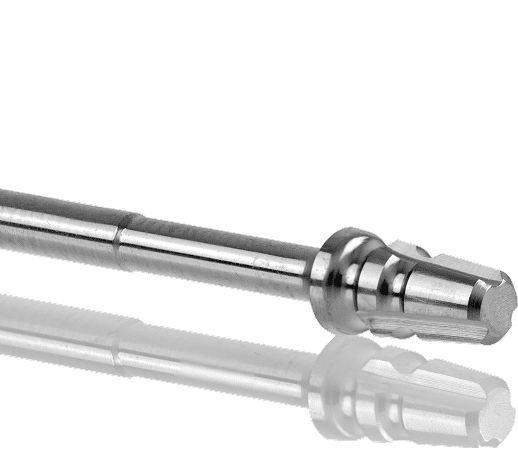
The position of the implants and the prosthetic structure can differ, making it possible to restore teeth where there is no bone
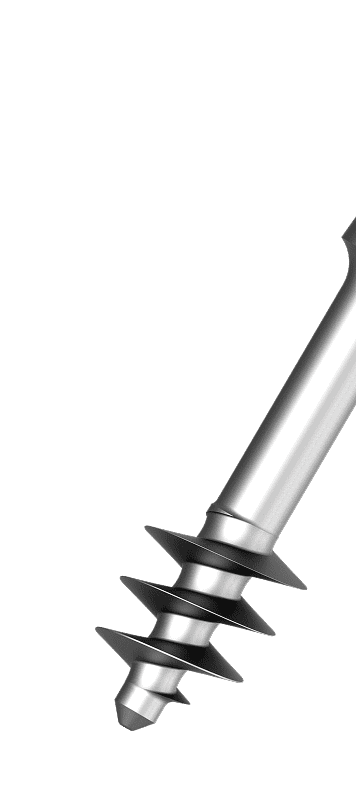
The length and diameter of the implants allow a suitable model to be selected for the patient's bone dimensions, avoiding a sinus lift
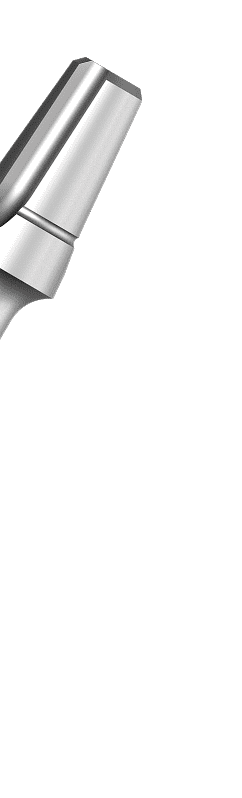
The absence of through-holes in the denture significantly reduces the risk of damage and infection, and consequently reduces the risk of peri-implantitis
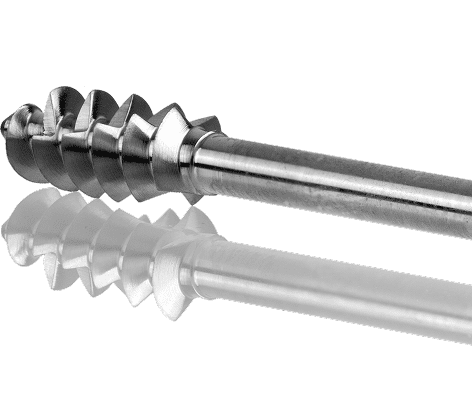
A reinforced titanium alloy increases implant wear resistance and longevity, while zirconia crowns provide excellent aesthetics, strength and durability
Treatment stages
A new smile in 5 days and 2–4 visits
Get a new smile in just 5 days, even if you have been refused other implant methods due to insufficient bone
Visit 1
Diagnostic procedures: CT scan, 3D scanning. Treatment plan
Visit 2
Oral preparation: extraction of teeth and roots, implant placement, impressions for making the denture, follow-up X-rays
Visit 3
Fitting the denture framework (on day 2 after implant placement)
Visit 4
Fitting the denture (on day 5 after implant placement)
FAQ
Frequently asked questions
At what age can dental implants be placed?
Dental implants can usually be placed from the age of 18–21, once the growth and formation of the facial bones are complete. In some cases, dentists recommend waiting until the age of 20–25.
Can implants cause an allergic reaction?
An allergic reaction to dental implants is theoretically possible, but the likelihood is low. Reactions are more often caused by alloy impurities (nickel or cobalt) or denture components than by titanium itself. Symptoms include swelling, persistent gum redness, itching, burning and erosions, and may develop within 5–7 days after placement.
When can a crown or bridge be fitted to implants?
A permanent crown is fitted once the implant has fully integrated with the bone (osseointegration), which usually takes 3–6 months. In the upper jaw, this process takes longer due to lower bone density. With strategic implant treatment, the prosthetic structure is fitted within 5 days after implant placement.
What sensations can occur after implant placement?
After dental implant surgery, moderate pain (for 2–4 days), slight swelling of the facial soft tissues (peaking on days 2–3) and minor bleeding are considered normal. Temperature may rise to 37.5 °C. Most symptoms resolve within 5–7 days.
Is general anaesthesia required for implant placement?
General anaesthesia is not mandatory for dental implant treatment; local anaesthesia is sufficient in most cases. General anaesthesia may be used for a pronounced gag reflex or mental health conditions (including dental phobia) that prevent a patient from following the dentist's instructions.
How many years do implants last?
Dental implants usually last 15–25 years or a lifetime. The titanium implant itself rarely needs replacement, while the structure fitted to it may need replacing every 10–15 years on average. Longevity depends on implant quality, oral hygiene and the dentist's expertise.
Request a free consultation
Leave a request and our team will contact you to arrange a consultation or answer your questions
Your request has been sent successfully!
Our team will contact you to arrange a consultation or answer your questions
Social media
More about strategic implant treatment on our Instagram
Contacts